A monkey ladder (also known as a monkey climbing ladder) is a type of ladder designed for climbing and accessing elevated areas, typically used in construction, industrial, or maintenance work. It’s called a "monkey ladder" because of its resemblance to the climbing abilities of a monkey, as the ladder often has a series of rungs or bars for grip, rather than solid steps.
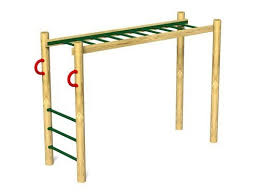
Key Features:
- Material:
- Commonly made from durable materials such as aluminum or steel.
- Lightweight but sturdy enough to withstand the demands of frequent use in industrial settings.
- Design:
- Consists of horizontal bars or rungs for hand and foot placement.
- Offers a vertical or near-vertical climb, often used when traditional ladders aren’t practical.
- Climbing Style:
- Unlike traditional ladders, it typically requires the user to climb with hands and feet on bars, making it more suitable for short, quick climbs rather than extended use.
- Often used in situations where the ladder needs to be flexible or portable.
- Safety Features:
- While the design is minimal, safety is often ensured with secure, non-slip rungs or grips.
- Some versions come with handrails or safety cages for additional security.
Applications:
- Construction Sites: Access to scaffolding, rooftops, or tall structures where other ladders might not fit.
- Industrial Use: Commonly used in power plants, warehouses, and silos for climbing up machinery or structures.
- Maintenance: Ideal for accessing high areas that need quick and flexible solutions.
- Monkey ladder