What is Day Trading in Forex?
Day Trading is a trading style where traders open and close positions within the same day. They never hold trades overnight. The goal is to capitalize on short-term price movements that occur within one trading session. Unlike scalping (which might last seconds or minutes), day trading usually involves holding trades for minutes to several hours.
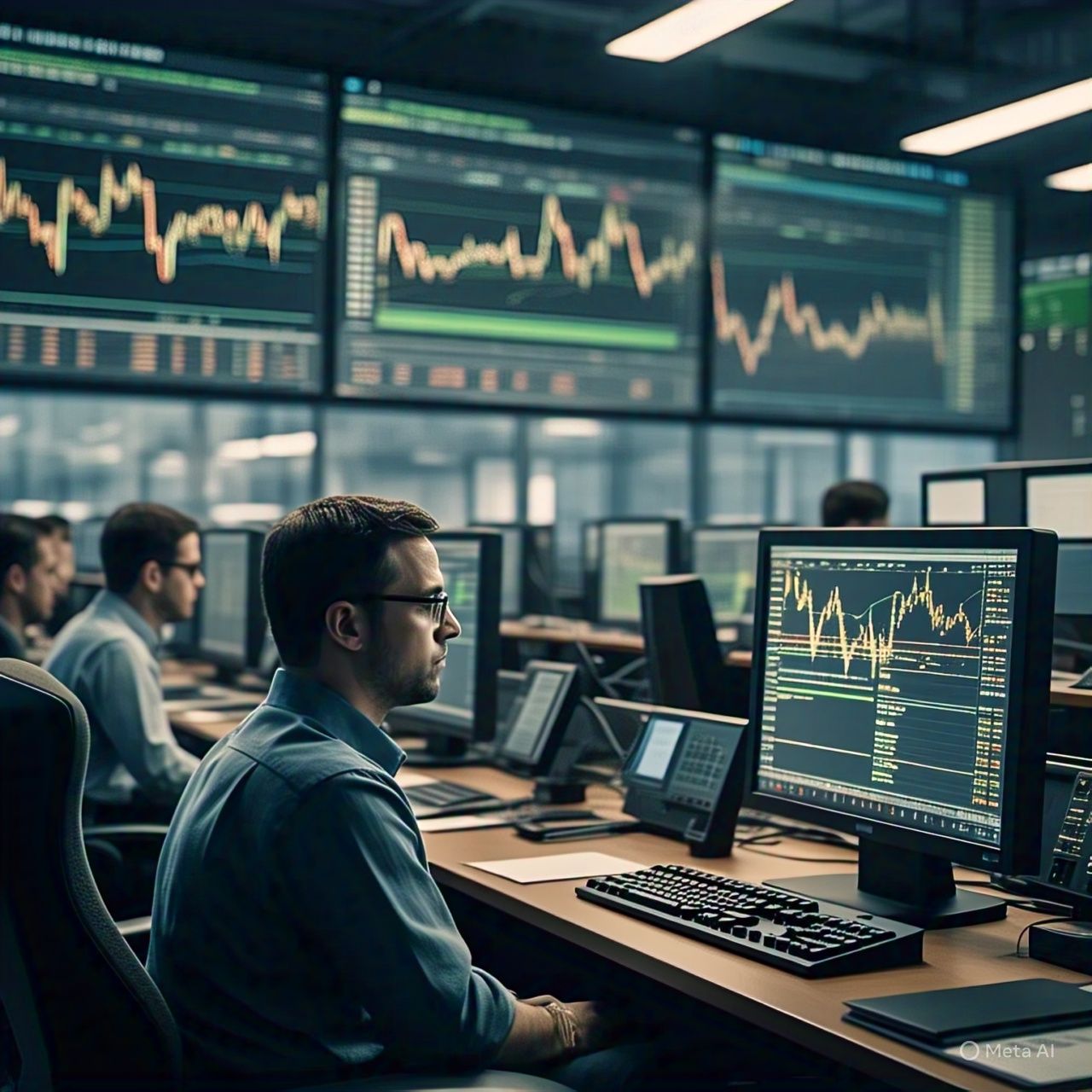
Key Features of Day Trading:
- Timeframe:
Trades typically last from a few minutes to several hours, but all are closed before the market closes for the day. - Profit Target:
Moderate-sized moves — traders often target 20–100 pips depending on market conditions. - Frequency of Trades:
1–5 trades per day on average. Not as many as scalping. - Risk Management:
Very important — traders usually risk a small percentage of their capital per trade (like 1–2%). - Technical and Fundamental Analysis:
Day traders often rely on technical analysis (charts, indicators) and may also consider economic news releases.
Common Day Trading Techniques:
- Breakout Trading:
Trading when the price breaks key levels of support or resistance. - Trend Trading:
Identifying and following a strong trend during the day. - Counter-Trend Trading:
Betting on a reversal when the price seems overextended. - News Trading:
Entering trades based on the reaction to important news (like employment reports, interest rate decisions).
Advantages of Day Trading:
- No overnight risk (no worry about sudden news affecting your trade while you sleep).
- Daily opportunities to make profits.
- Clear start and end to your trading activities.
- Strong discipline developed over time.
Disadvantages of Day Trading:
- Requires a lot of screen time and quick decision-making.
- Emotionally draining if not well-managed.
- High transaction costs if broker fees and spreads are not low.
- Can be difficult without a solid, tested trading plan.
Ideal Conditions for Day Trading:
- Major currency pairs (like EUR/USD, GBP/USD, USD/JPY) — because they are liquid and have tight spreads.
- High volatility sessions — especially during London and New York trading hours.
- A reliable trading platform and fast internet.
Day Trading Tools:
- Charts: 5-minute, 15-minute, and 1-hour charts are common.
- Indicators: Moving Averages, RSI, MACD, Bollinger Bands, Stochastic Oscillator.
- Economic Calendar: To track important news that might cause volatility.
In short:
Day trading is like surfing — you ride the "waves" (price movements) of the day and then exit before the ocean (market) becomes unpredictable overnight!
Day Trading