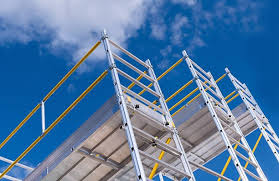
Aluminum scaffolding is a lightweight, durable, and highly versatile structure used for various construction, maintenance, and industrial tasks. Unlike traditional steel scaffolding, aluminum scaffolding is corrosion-resistant, making it ideal for both indoor and outdoor applications. It is commonly used in high-rise building maintenance, painting, electrical work, and warehouse operations due to its portability and ease of assembly. The lightweight nature of aluminum makes transportation and installation easier, reducing labor costs and time. Additionally, aluminum scaffolding is known for its high strength-to-weight ratio, ensuring stability and safety while working at elevated heights.
One of the key advantages of aluminum scaffolding is its modular design, allowing workers to adjust the height and structure according to project requirements. It is available in various types, including mobile aluminum scaffolding, which features wheels for easy movement, and fixed aluminum scaffolding for more stable and permanent setups. Many models come with guardrails, anti-slip platforms, and secure locking mechanisms to enhance worker safety.
Another important benefit of aluminum scaffolding is its environmental sustainability. Since aluminum is recyclable, it contributes to eco-friendly construction practices. Additionally, aluminum scaffolding requires minimal maintenance compared to steel, as it does not rust or degrade over time.
Aluminum scaffolding is widely used in industries such as construction, aviation, and event management. In construction, it provides a safe and efficient platform for workers to complete tasks at height. In aviation, it is used for aircraft maintenance due to its lightweight and easy mobility. In the event industry, aluminum scaffolding is used for setting up stages, lighting rigs, and temporary structures.
Due to its ease of assembly, aluminum scaffolding is a preferred choice for both professionals and DIY enthusiasts. It typically features a quick-locking system, enabling fast setup and dismantling. Its compact and foldable design makes it easy to store when not in use. Many scaffolding suppliers offer customizable solutions to meet specific industry needs, ensuring flexibility in various applications.
When selecting aluminum scaffolding, factors such as height, weight capacity, platform size, and compliance with safety standards should be considered. Most aluminum scaffolding systems meet international safety regulations, providing peace of mind to users. Additionally, accessories like outriggers, stabilizers, and adjustable legs enhance stability on uneven surfaces.
Overall, aluminum scaffolding is a cost-effective and reliable solution for working at heights. Its lightweight, durability, corrosion resistance, and easy mobility make it a valuable investment in construction, maintenance, and industrial operations.