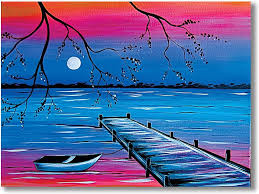
Art is a universal language that transcends boundaries, emotions, and cultures, allowing people to express their deepest thoughts and feelings. From ancient cave paintings to modern digital masterpieces, art has evolved, reflecting the ever-changing world around us. It serves as a mirror to society, capturing historical events, personal emotions, and cultural shifts in ways that words often cannot. Whether it is the bold strokes of Van Gogh, the surrealism of Dali, or the abstract expressions of Picasso, every artwork tells a unique story. Art is not confined to a single form—it exists in paintings, sculptures, music, dance, and even architecture, proving that creativity has no limits. It inspires, provokes thought, and sometimes challenges societal norms, pushing people to see the world differently. Art also has the power to heal, serving as a therapeutic outlet for those struggling with emotions. Museums and galleries around the world stand as testaments to humanity’s artistic achievements, preserving works that continue to inspire generations. In today’s digital era, art has taken on new forms, with NFTs, AI-generated pieces, and immersive installations changing how we perceive creativity. Despite these advancements, the essence of art remains the same—it is a reflection of human nature, a tool for storytelling, and a means of communication that goes beyond spoken language. In a world that often feels chaotic, art offers a sense of peace, a moment to pause and appreciate beauty, and a connection to something greater than ourselves.