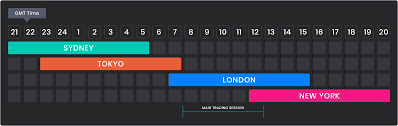
Forex trading in Asia has grown significantly over the years, making the region one of the most active in the global foreign exchange market. Asia is home to major financial hubs such as Tokyo, Hong Kong, Singapore, and Shanghai, where trillions of dollars are traded daily. The Asian forex market is a key player in the global trading landscape, with the Tokyo session setting the pace for early market movements. This session is known for its liquidity in currency pairs involving the Japanese yen (JPY), Chinese yuan (CNY), and Australian dollar (AUD). Many traders prefer to trade during this time due to lower spreads and predictable market movements. The presence of strong economies like China, Japan, and India adds to the market’s vibrancy, influencing currency values and exchange rates.
The Asian forex market operates 24 hours a day, five days a week, overlapping with the London and New York sessions, leading to periods of high volatility. Key trading centers such as Singapore and Hong Kong have become attractive destinations for forex brokers, traders, and institutional investors due to favorable financial regulations and advanced trading infrastructure. The rise of online trading platforms has made forex accessible to retail traders across Asia, with countries like Indonesia, Malaysia, Thailand, and the Philippines witnessing a surge in forex trading interest. Mobile trading apps, artificial intelligence, and automated trading bots have further boosted forex participation in the region.
Regulatory frameworks vary across Asian countries, influencing how traders and brokers operate. For instance, Japan’s Financial Services Agency (FSA) enforces strict forex trading rules to protect investors, while Singapore’s Monetary Authority (MAS) ensures a secure trading environment for retail and institutional traders. In contrast, some countries have relaxed regulations, allowing offshore brokers to operate freely. Despite these differences, Asia remains a hotspot for forex business opportunities, with brokers offering localized trading services, educational programs, and competitive leverage options. Many Asian traders rely on technical and fundamental analysis, closely following market trends, economic reports, and geopolitical events affecting currency prices.
The Chinese yuan (CNY) has gained global significance, particularly with China’s increasing economic influence and digital currency initiatives. The Indian rupee (INR) is also gaining traction in forex markets, as India’s economy continues to expand. Additionally, cryptocurrency trading and blockchain technology are reshaping forex trading in Asia, with digital assets being integrated into traditional forex platforms. With the growth of forex prop firms, copy trading, and social trading platforms, forex trading in Asia is evolving rapidly, attracting both experienced and beginner traders. However, challenges such as high leverage risks, regulatory uncertainties, and market manipulation remain key concerns. Despite these challenges, Asia’s forex market continues to thrive, offering vast opportunities for traders, brokers, and fintech innovators looking to capitalize on the dynamic world of currency trading.