Choosing the right forex trading platform is essential for a smooth and efficient trading experience. Here’s a guide to help you understand and select the best platform based on your needs:
1. Popular Forex Trading Platforms
MetaTrader 4 (MT4)
- Features:
- User-friendly interface.
- Supports automated trading with Expert Advisors (EAs).
- Multiple technical indicators and charting tools.
- Compatible with Windows, Mac, iOS, and Android.
- Best For: Beginners and advanced traders.
- Limitations: Limited customization for experienced coders.
MetaTrader 5 (MT5)
- Features:
- Enhanced features over MT4, including more timeframes and technical indicators.
- Economic calendar integration.
- Supports more asset classes like stocks and commodities.
- Best For: Traders needing advanced tools and multiple asset classes.
- Limitations: Less familiar to MT4 users.
cTrader
- Features:
- Superior charting and risk management tools.
- Algorithmic trading using cAlgo.
- Level II pricing and advanced order types.
- Best For: Intermediate to professional traders.
- Limitations: Fewer brokers offer cTrader.
TradingView
- Features:
- Web-based platform with excellent charting and community features.
- Supports script-based custom indicators and strategies using Pine Script.
- Best For: Traders focused on analysis and collaboration.
- Limitations: Limited broker integration for direct trading.
NinjaTrader
- Features:
- Advanced charting and market analysis tools.
- Suitable for algorithmic trading and futures markets.
- Best For: Professional traders and coders.
- Limitations: Steeper learning curve.
Proprietary Broker Platforms
- Examples: eToro, Plus500, IG, and Saxo Bank.
- Features:
- Tailored interfaces with broker-specific features.
- Often integrate social trading and educational content.
- Best For: Beginners or traders loyal to specific brokers.
- Limitations: Less flexibility for customizations.
2. Key Factors to Consider
Ease of Use
- Beginners should prioritize platforms with intuitive interfaces and tutorials.
- Advanced users may prefer customizable platforms with scripting tools.
Features
- Technical Tools: Access to indicators, chart types, and drawing tools.
- Automation: Support for trading robots and scripts.
- Market Access: Forex pairs, commodities, indices, and cryptocurrencies.
Broker Compatibility
- Ensure the platform integrates with a regulated broker in your region.
Costs
- Platforms like MT4/MT5 are often free through brokers.
- Paid platforms (e.g., NinjaTrader) may have subscription or license fees.
Device Compatibility
- Desktop: For advanced charting and analysis.
- Mobile: For trading on the go.
- Web: For flexibility without installation.
3. Specialized Platforms
Copy Trading Platforms
- Examples: eToro, ZuluTrade, Myfxbook.
- Features:
- Follow and copy professional traders.
- Suitable for beginners without time for market analysis.
Algorithmic Trading Platforms
- Examples: QuantConnect, MultiCharts.
- Features:
- Design and test custom trading strategies.
- Access to advanced backtesting tools.
4. Recommendations by Trader Type
Trader TypeRecommended Platforms
| Beginner | MT4, eToro, TradingView |
| Intermediate | MT5, cTrader |
| Advanced/Professional | NinjaTrader, cTrader |
| Social/Copy Trader | eToro, ZuluTrade |
| Algorithmic Trader | MT4/MT5, QuantConnect |
Next Steps
- Demo Accounts: Test platforms with virtual funds before committing.
- Broker Research: Ensure brokers offering your chosen platform are regulated.
- Continuous Learning: Use educational resources provided by the platform.
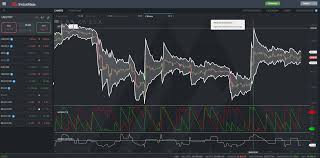
Forex Trading Platforms