Developing a solid forex trading strategy is crucial for success in the forex market. Here’s an overview of some popular and effective trading strategies:
1. Scalping
- Description: Focuses on making small profits from quick trades, often held for seconds or minutes.
- Best For: Active traders with time to monitor markets constantly.
- Key Tools:
- Tick charts or 1-minute charts.
- Low-spread brokers (e.g., ECN accounts).
- Risk: Requires quick decision-making and precise execution.
2. Day Trading
- Description: Buying and selling currency pairs within the same trading day, avoiding overnight risks.
- Best For: Traders who can dedicate a few hours daily.
- Key Tools:
- 5-minute to 1-hour charts.
- News events and intraday trends.
- Risk: Moderate; depends on market volatility.
3. Swing Trading
- Description: Holding trades for several days to weeks to capture medium-term market trends.
- Best For: Traders with limited time who prefer fewer trades.
- Key Tools:
- 4-hour to daily charts.
- Technical indicators like Moving Averages and Fibonacci retracements.
- Risk: Exposed to overnight and weekend market gaps.
4. Trend Following
- Description: Trading in the direction of the prevailing market trend.
- Best For: Traders seeking consistent results over time.
- Key Tools:
- Trendlines, Moving Averages, and MACD.
- Identify higher highs/lows for uptrends and lower highs/lows for downtrends.
- Risk: False breakouts can lead to losses.
5. Counter-Trend Trading
- Description: Identifies points where the trend might reverse and trades against it.
- Best For: Experienced traders with good risk management.
- Key Tools:
- RSI (Relative Strength Index) and Bollinger Bands.
- Divergence between price and momentum indicators.
- Risk: High; requires accurate timing.
6. Breakout Trading
- Description: Enters trades when price breaks above resistance or below support levels.
- Best For: Volatile markets with strong momentum.
- Key Tools:
- Support and resistance levels.
- Volume indicators.
- Risk: False breakouts can result in losses.
7. Range Trading
- Description: Trades between identified support and resistance levels when the market is consolidating.
- Best For: Stable markets with no clear trends.
- Key Tools:
- Oscillators like RSI or Stochastic.
- Candlestick patterns for entry/exit points.
- Risk: Breakouts can disrupt the range.
8. News Trading
- Description: Capitalizing on price movements triggered by economic news or announcements.
- Best For: Traders who can act quickly.
- Key Tools:
- Economic calendar (e.g., Forex Factory).
- High-impact news events like NFP, interest rate decisions, or GDP reports.
- Risk: Extremely volatile; slippage and high spreads are common.
9. Carry Trade
- Description: Holding positions in high-interest-rate currencies against low-interest-rate currencies to earn the interest rate differential.
- Best For: Long-term investors.
- Key Tools:
- Interest rate analysis.
- Trend-following tools.
- Risk: Currency depreciation can offset interest gains.
10. Algorithmic or Automated Trading
- Description: Using trading robots (EAs) to automate strategies based on pre-set rules.
- Best For: Traders with coding knowledge or those who purchase tested algorithms.
- Key Tools:
- MetaTrader 4/5 for EAs.
- Backtesting software.
- Risk: Relies on the quality of the algorithm.
Tips for Success
- Backtest Your Strategy: Test on historical data to assess its effectiveness.
- Risk Management: Use stop-loss orders and risk only 1-2% of your capital per trade.
- Discipline: Stick to your strategy even when tempted to deviate.
- Review & Adapt: Regularly assess your performance and refine your approach.
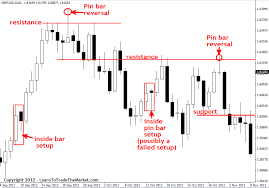
Forex Trading Strategies