Forex trading in Asia is a vibrant and significant part of the global foreign exchange market. Asia hosts some of the world's largest forex trading hubs, such as Tokyo, Hong Kong, and Singapore. Here's an overview of the forex trading scene in Asia:
1. Major Trading Hubs
- Tokyo: Home to the Tokyo Stock Exchange, Japan plays a critical role in the forex market, especially with the Japanese yen (JPY), one of the most traded currencies globally.
- Hong Kong: A leading financial center with favorable regulations for forex trading.
- Singapore: Known for its advanced financial infrastructure, it serves as a hub for institutional and retail forex trading.
2. Popular Currency Pairs
- Asian currencies: The Japanese yen (JPY), Chinese yuan (CNY), Singapore dollar (SGD), and Indian rupee (INR) are popular in regional trading.
- Major pairs like EUR/USD, USD/JPY, and GBP/USD are also actively traded.
3. Trading Hours
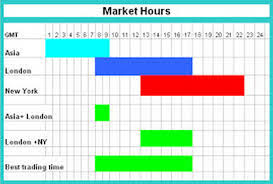
- The Asian trading session typically starts at 11 PM GMT and ends at 8 AM GMT, overlapping with the Sydney session and partly with the European session.
- The Tokyo session's high activity often sets the tone for the rest of the day.
4. Regulations
- Different countries in Asia have varying regulations governing forex trading:
- Japan: Highly regulated by the Financial Services Agency (FSA).
- Singapore: Overseen by the Monetary Authority of Singapore (MAS).
- Hong Kong: Regulated by the Securities and Futures Commission (SFC).
- Some regions, like Indonesia and India, have stricter regulations to control forex trading activities.
5. Traders and Platforms
- A mix of retail traders, institutional investors, and hedge funds actively participate in Asia.
- Popular trading platforms include MetaTrader 4/5 (MT4/MT5), cTrader, and proprietary platforms offered by brokers.
6. Challenges and Opportunities
- Challenges: Market volatility, geopolitical tensions, and regulatory differences.
- Opportunities: High liquidity, significant market movements during Asian hours, and diverse currency options.Forex trading in Asia is a vibrant and significant part of the global foreign exchange market. Asia hosts some of the world's largest forex trading hubs, such as Tokyo, Hong Kong, and Singapore. Here's an overview of the forex trading scene in Asia:
- Tokyo: Home to the Tokyo Stock Exchange, Japan plays a critical role in the forex market, especially with the Japanese yen (JPY), one of the most traded currencies globally.
- Hong Kong: A leading financial center with favorable regulations for forex trading.
- Singapore: Known for its advanced financial infrastructure, it serves as a hub for institutional and retail forex trading.
- Asian currencies: The Japanese yen (JPY), Chinese yuan (CNY), Singapore dollar (SGD), and Indian rupee (INR) are popular in regional trading.
- Major pairs like EUR/USD, USD/JPY, and GBP/USD are also actively traded.
- The Asian trading session typically starts at 11 PM GMT and ends at 8 AM GMT, overlapping with the Sydney session and partly with the European session.
- The Tokyo session's high activity often sets the tone for the rest of the day.
- Different countries in Asia have varying regulations governing forex trading:
- Japan: Highly regulated by the Financial Services Agency (FSA).
- Singapore: Overseen by the Monetary Authority of Singapore (MAS).
- Hong Kong: Regulated by the Securities and Futures Commission (SFC).
- Some regions, like Indonesia and India, have stricter regulations to control forex trading activities.
- A mix of retail traders, institutional investors, and hedge funds actively participate in Asia.
- Popular trading platforms include MetaTrader 4/5 (MT4/MT5), cTrader, and proprietary platforms offered by brokers.
- Challenges: Market volatility, geopolitical tensions, and regulatory differences.
- Opportunities: High liquidity, significant market movements during Asian hours, and diverse currency options.
- 1. Major Trading Hubs
Forex Trading Asia