Virtual Art and Technology refers to the innovative intersection where art and advanced technologies like augmented reality (AR), virtual reality (VR), artificial intelligence (AI), and digital tools come together to create immersive, interactive, and transformative experiences.
Key Aspects of Virtual Art and Technology:
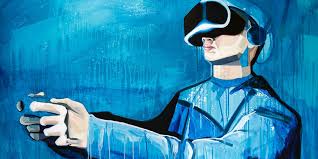
- Virtual Reality (VR) Art:
- Artists create 3D virtual spaces where users can immerse themselves.
- Example: VR exhibitions and simulations in platforms like Oculus or Vive.
- Augmented Reality (AR) Art:
- Digital art overlays real-world environments through AR apps.
- Example: Mobile AR murals or interactive AR filters on platforms like Instagram.
- AI-Driven Art:
- Using AI algorithms to generate or enhance artwork.
- Example: AI tools like DALL-E and MidJourney that create visual art based on text prompts.
- Generative Art:
- Art created with code or algorithms.
- Example: Generative NFTs and motion-based installations.
- Digital Installations:
- Large-scale works combining projection mapping, sensors, and interactive tech.
- Example: Works by teamLab that immerse participants in digitally animated environments.
- Blockchain and NFTs:
- Blockchain ensures digital ownership, and NFTs help artists monetize digital works.
- Example: NFT marketplaces like OpenSea showcase virtual art.
- Interactive Performance Art:
- Blending live performance with VR or AR for audience participation.
- Example: Virtual concerts or theatrical productions.
- Metaverse Art:
- Art galleries and exhibitions in metaverse platforms like Decentraland and Roblox.
- Example: Virtual museums where users can "walk" through exhibits.
Applications:
- Art Education: Virtual tools for interactive learning and 3D modeling.
- Entertainment: VR games and virtual concerts as artistic experiences.
- Healthcare: Art therapy with VR for emotional healing.
- Commercial Use: Virtual try-ons and AR advertising campaigns.
Virtual Art and Technology